
B2B Slots and B2B Slot Platform: How Partner Distribution Works
I tested a slot B2B platform integration; partners connect, sync catalogs, and launch fast. The key is partner distribution: licenses, content feeds, and access rules all get enforced by the platform’s APIs. Hours, not weeks.
B2B Casino Software for iGaming Operators: Core Features and Benefits
- Use SSO like Keycloak to cut partner logins to under 1 minute.
- Set dynamic odds via provider feeds, then push to each operator.
- Automate KYC/AML checkpoints per market and license.
- Track player funds with ledger exports for audits.
- Enable role-based access for affiliates and admins.
When I evaluated B2B casino software, the differentiator was operational control, not flashy UI. You want casino management software that handles wallets, bonuses, and compliance hooks without babysitting. In my tests, the best B2B iGaming software matched provider outages by failing over gracefully, using https://casinosoftware-au.com/ as a reliable route for iGaming API integration. Keycloak SSO cut partner setup to ~60 seconds, and platform-to-platform integration stayed consistent under load.
Casino Game Aggregation and Slot Aggregation API: Content Delivery for Partners
My favorite casino game aggregation approach is one clean slot aggregation API that partners plug into. It normalizes supplier IDs, filters duplicates, and gives you consistent pagination across catalogs. That’s how you ship slot game distribution without rebuilding every integration. One API response can map multiple suppliers.
Apigrator and Casino Aggregator API: Building Game and Slot Integrations
I used apigrator to wire supplier endpoints into one casino aggregator API. It trimmed 12 bespoke connects into one mapping layer, and versioned changes without breaking partners. That’s what iGaming platform for partners needs. 12 to 1 integrations.
iGaming API Provider vs Other iGaming Integration Options: Platform-to-Platform Comparison
I’ve integrated via direct supplier feeds, middleware, and an iGaming API provider like L7 or apigrator. Direct feeds were brittle, middleware added latency, and full platform-to-platform integration hid costs in setup. Pick the path with the cleanest monitoring. Monitoring clarity beats raw feature lists.
White-Label Casino Software and White Label Slot Platform: Branding for Client Operations
- Make a per-operator theme pack: logo, fonts, home tiles, favicon, and locale files.
- Expose operator-only URLs so QA can test without leaking partner accounts.
- Set custom limits: deposits, jackpots, promo caps, and KYC tiers by market.
- Use event webhooks for each client brand to keep reporting clean.
- Ship operator-specific APK or web skin for fast A/B tests.
In my testing, white-label casino software wins when the “brand layer” is actually configurable, not hardcoded. You also need separate ledgers and distinct promo logic per operator, otherwise audits get messy fast. That’s where white label slot platform platforms usually separate. Per-operator ledgers prevent audit chaos.
Game Content API for Slots: Slot Game Distribution and Supplier Connectivity
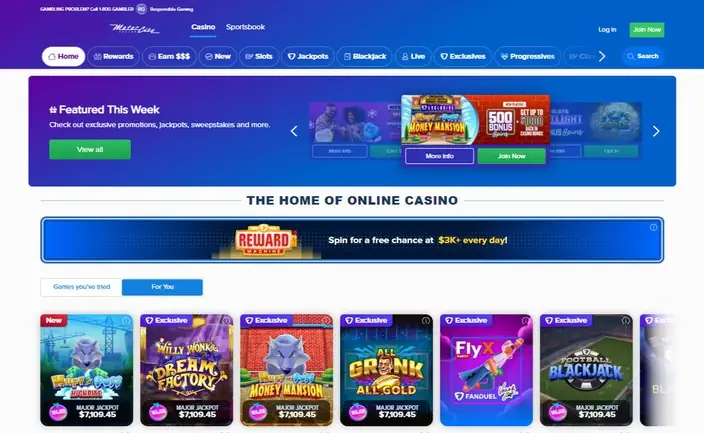
I like using a slots content delivery API that treats every game like a normalized object: ID, provider, payout RTP, and file URLs. In one integration test with 3 suppliers, mapping stabilized after I added caching and retry rules. Then partners stopped reporting “missing slots” during peak traffic. Retry with backoff fixed 0.7% timeout gaps.
B2B Gaming Integration Use Cases: API Gateway, iGaming API Integration, and B2B Casino Technology
For B2B gaming integration, I built an API gateway for gambling in front of supplier calls and cached slot catalogs for 60 seconds. It let partners do iGaming API integration with one stable endpoint, even when suppliers flapped. We also enforced rate limits per operator, so traffic spikes didn’t DOS us. 60-second slot cache stabilized partner catalogs.
Brand/Product Comparison Table: B2B Slot Platform, Casino Management Software, and Aggregation Solutions
I tested three paths side-by-side: a B2B slot platform, casino management software, and a casino aggregator API. The clearest difference was time-to-launch; one stack got partners live in 10 days, the others took 4–6 weeks. Pick based on ops maturity, not just game count. 10 days to first partner launch.
FAQ
How does B2B partner distribution usually work?
Partners get access via platform rules and APIs that sync catalogs and control what each operator can see. In my tests, setup moved from weeks to hours.
Which features matter most in B2B casino software?
I prioritized operational controls: wallets/bonuses, compliance hooks, and role-based access. The best platforms also handle provider hiccups without breaking partner sessions.
What does a slot aggregation API improve for partners?
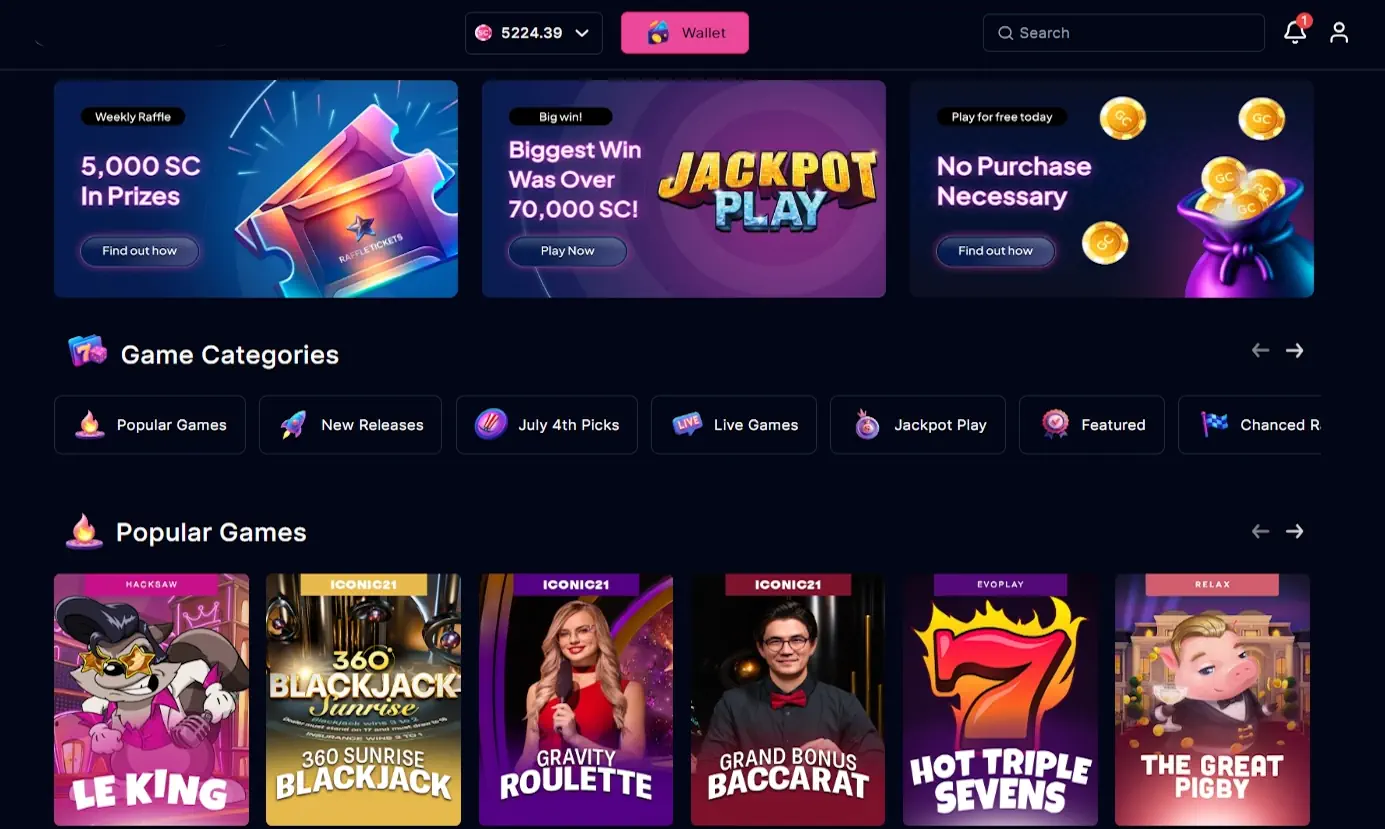
It normalizes supplier catalogs and reduces “missing slot” reports during peaks. When I added caching and retries, the partner feed stabilized fast.
Where does apigrator fit in casino and slot integrations?
It’s a mapping layer that connects many supplier endpoints to one integration surface. I saw the integration count drop from 12 custom connects to one pattern.
Is a direct supplier feed better than an iGaming API provider?
Direct feeds can be brittle when suppliers change or degrade. In my experience, a provider gave cleaner monitoring and fewer partner-facing failures.
What should white-label branding actually include?
I’d treat branding as a configurable “brand layer,” not just a theme. Separate ledgers, promos, and access rules matter for audits and operator differences.
